
BCM-95® vs. Curcumin + Piperine: Why smarter curcumin doesn't need black pepper
13th Apr 2026
If you've ever Googled "best turmeric supplement", you've seen the same claim everywhere: "With black pepper for better absorption." It's become so standard that people now sprinkle pepper on their turmeric latte and feel like the job is done.
There’s a reason for this. Curcumin, the main active compound in turmeric, is famously hard to absorb. Piperine, the active compound in black pepper, raises curcumin levels in the blood. That's the origin story of "turmeric + black pepper."
But the mechanism piperine uses is worth understanding. It works by interfering with your body's drug-metabolizing systems. Smart for curcumin absorption. Not necessarily ideal for everyone long-term, especially if you're on certain medications or running a serious supplement stack.
Enter BCM-95® (aka Curcugreen®): a patented form of curcumin that gets the absorption benefit without piperine, using turmeric's own essential oils instead.
This article covers why curcumin is hard to absorb in the first place, how piperine works and what the trade-offs are, what makes BCM-95 structurally different, and how to decide which approach is right for you.
Why curcumin needs help in the first place
Turmeric gets its golden-yellow color and health-supporting properties from a family of active compounds called curcuminoids, which make up just 2–5% of the root by weight. Curcumin is the most abundant and studied of these, with hundreds of trials examining its role in inflammation, exercise-induced muscle soreness, joint health, brain function, and metabolic health.
The problem? Curcumin on its own is a poor performer in the body.
- It's poorly soluble in water, so it doesn't disperse well in the gut.
- It's rapidly metabolized and cleared by the liver and intestines.
- Oral doses of standard curcumin produce very low blood levels of free, active curcumin.
Most of that 2–5% never gets absorbed. You can swallow a large capsule of basic turmeric extract and get almost nothing into circulation where it can actually do work. Without a smarter formulation, most of what you take passes straight through.
To solve this, formulators have developed three broad strategies:
- Pairing curcumin with piperine (black pepper extract)
- Combining curcumin with fats or phospholipids to improve solubility
- Combining curcumin with turmeric's own essential oils – the basis of BCM-95
How curcumin + piperine works, and its hidden trade-offs
The mechanism: standing down the clean-up crew
Piperine is the major active compound in black pepper. As a concentrated supplement ingredient, it does something specific:
- It inhibits certain drug-metabolising enzymes, specifically CYP3A4 and CYP2C9
- It inhibits P-glycoprotein (P-gp), a pump that normally removes substances from cells, including intestinal cells
In plain language: piperine temporarily tells some of your body's processing systems to stand down. Less curcumin gets broken down as it passes through the gut and liver. Less gets pumped back into the gut. So more reaches the bloodstream, and stays there longer.
The problem: this mechanism is non-specific
The issue isn't that piperine is harmful. The issue is that its mechanism doesn't discriminate. When you inhibit the enzymes and transporters that process compounds in the body, you don't only affect curcumin. You can also alter how your body handles certain prescription medications, other supplements, and other nutrients.
This is where drug interactions become a documented clinical concern, not just a theoretical one:
A 2023 systematic review and meta-analysis of human clinical studies confirmed that piperine increases plasma concentrations of carbamazepine (a seizure medication) by around 48–69%, fexofenadine (an antihistamine) by 68%. A separate human study found piperine increased diclofenac levels by approximately 66%.
A 2024 pharmacokinetic modelling study published by the Chinese Academy of Sciences simulated piperine's interactions with ten CYP3A4 drugs and found meaningful blood level increases for six of them, including simvastatin (59%), cyclosporine (35%), and ritonavir (31%).
These are not obscure medications. Simvastatin is one of the most widely prescribed cholesterol drugs in the world. Cyclosporine is used in transplant patients. Ritonavir in HIV therapy. The interaction risk is no longer hypothetical.
Who should be cautious with high-dose piperine supplements
- People taking multiple medications at once
- People on drugs for epilepsy, high cholesterol, HIV, or organ transplants (these are commonly affected by piperine)
- People with liver conditions
- Women who are pregnant or trying to conceive – at supplemental doses. Amounts of black pepper used in ordinary cooking are considered safe
Bottom line on piperine
This doesn't mean never use piperine. It means: piperine is a blunt tool. It works by leaning on your body's processing pathways, and for long-term, everyday use in a high-performance population that often already has a stacked supplement and medication regime, that's worth factoring in.
What makes BCM-95® curcumin different?
It is 100% turmeric. No black pepper.
BCM-95® is built on a direct idea: let turmeric enhance itself. Instead of adding black pepper or synthetic absorption agents, BCM-95 combines curcuminoids (curcumin plus its close relatives demethoxycurcumin and bisdemethoxycurcumin) with turmeric’s own essential oils, including a compound called ar-turmerone.
Rather than curcumin plus a helper molecule from another plant, you get curcumin plus the rest of the turmeric plant it evolved alongside.
The name reflects the formulation. The “95” in BCM-95 refers to the fact that the extract is standardised to a 95% active complex – curcuminoids and turmeric essential oils combined – with no fillers, carriers, or non-turmeric additives making up the remainder. The curcuminoid content within that complex is high, typically 86% or above, making BCM-95 a concentrated source of active curcuminoids as well as a 100% turmeric-derived extract.
In a 2008 human crossover study (Antony et al., Indian Journal of Pharmaceutical Sciences), BCM-95 demonstrated:
- Approximately 6.93x higher bioavailability versus standard curcumin
- Higher bioavailability than a formula combining curcumin with both lecithin and piperine
- Measurable free curcumin in plasma for several hours after dosing
It achieves this without inhibiting CYP3A4 or CYP2C9 enzymes, without relying on P-gp inhibition, and without any non-turmeric additives.
The principle: use the plant's own biology, not a pharmacological workaround. For people managing prescription medications, hormone therapies, or performance-oriented supplement stacks, that distinction is meaningful.
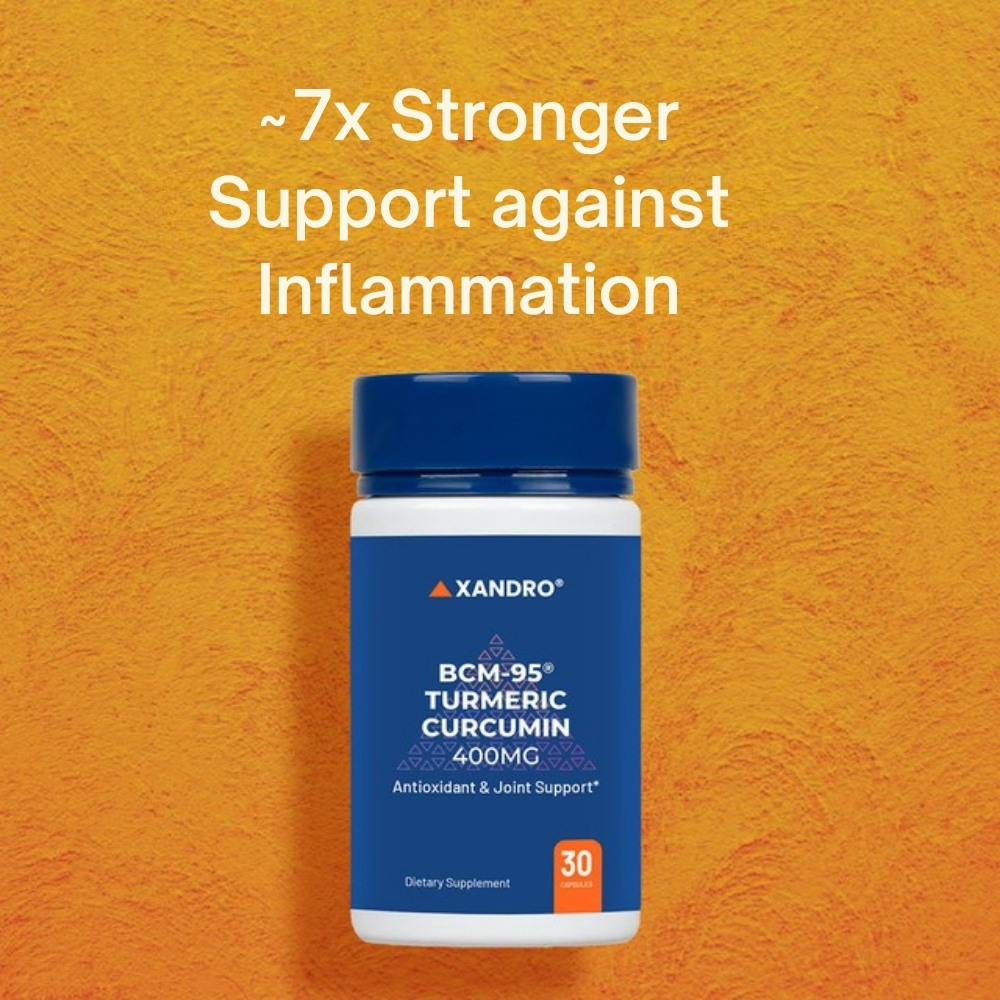
BCM-95® vs curcumin + piperine: side by side
|
Feature |
BCM-95® (Curcugreen®) |
Curcumin + piperine |
|
Absorption mechanism |
Turmeric essential oils (incl. ar-turmerone) improve solubility and retention |
Inhibits CYP3A4/CYP2C9 enzymes and P-gp, slowing breakdown |
|
Composition |
100% turmeric-derived actives |
Curcuminoids + non-turmeric bioenhancer |
|
Bioavailability vs standard curcumin |
~6.93x higher in human studies |
Substantially higher, depending on dose and formula |
|
Drug-interaction potential |
No specific enzyme-inhibition mechanism |
Documented increases in blood levels of multiple medications |
|
Best suited for |
Long-term use, complex stacks, cleaner strategy |
Short-term or targeted use in otherwise healthy individuals under guidance |
The core distinction: BCM-95 is a plant-synergistic approach. Piperine is an enzyme-inhibiting approach.
For someone focused on long-term performance, recovery, and system integrity, the question is less "which is stronger?" and more "which strategy respects the rest of my biology?"
Safety: a realistic check on both options
Neither BCM-95 nor piperine-based curcumin formulas are risk-free. High-dose curcumin of any type can still affect clotting and blood pressure. Think of it as powerful adjunct nutrition, not a harmless herbal tea.
The two formulas carry different risks in some areas – piperine's enzyme-inhibiting mechanism creates drug interaction risks that BCM-95 does not share, while the general curcumin cautions apply to both.
|
Concern |
BCM-95 |
Piperine formula |
|
Blood thinners (warfarin, aspirin, clopidogrel) |
Caution – curcumin has mild antiplatelet activity |
Higher caution – piperine also slows drug clearance, potentially raising blood thinner levels further |
|
Cholesterol medication (statins) |
Caution – some animal data suggests possible statin level increases |
Higher caution – piperine documented to increase simvastatin exposure by ~59% |
|
Blood pressure medication |
Mild caution – curcumin may add to blood pressure-lowering effects |
Mild caution – same curcumin effect applies |
|
Transplant/immuno- |
Caution – case report of elevated tacrolimus levels |
Higher caution – piperine documented to increase cyclosporine exposure by ~35% |
|
Seizure medication (e.g. carbamazepine) |
Low concern – interaction not established for curcumin alone |
Caution – piperine documented to increase carbamazepine blood levels by ~48% |
|
Gallbladder disease or bile duct obstruction |
Avoid supplements. Curcumin causes the gallbladder to contract, which can be painful or dangerous if a stone is blocking the bile duct. NOTE: Even culinary amounts of turmeric can have this effect, so speak to your doctor. People who have had their gallbladder removed are not affected |
Avoid – same applies |
|
Liver disease |
Caution – case reports of liver injury with high-dose bioavailable curcumin |
Caution – same applies |
|
Pregnancy |
Avoid at medicinal doses – uterine stimulant effect |
Avoid – same applies |
|
Pre-surgery |
Pause 2 weeks before – antiplatelet effects |
Pause 2 weeks before – same applies |
Always speak to your doctor before starting either formula if any of the above applies to you.
Note on turmeric use:
For people with no gallbladder issues: turmeric in food and supplements is generally fine, even beneficial.
The gallbladder caution applies to both supplements and, to a lesser extent, culinary turmeric. If you have gallstones or a bile duct obstruction, speak to your doctor before using turmeric in cooking or even golden lattes.
What curcumin research shows for specific health areas
Joint comfort and mobility
Two human clinical trials using BCM-95 specifically have compared it against standard pain management options for knee osteoarthritis.
A randomized non-inferiority trial (Singhal et al., Trials, 2021, n=144) found 500 mg BCM-95 twice daily produced equivalent outcomes to 650 mg paracetamol three times daily over six weeks for joint discomfort, with fewer side effects – adverse events occurred in around 5% of the BCM-95 group compared to nearly 13% in the paracetamol group. BCM-95 also outperformed paracetamol on the inflammatory markers CRP and TNF-α.
A separate randomized open-label trial (Shep et al., Trials, 2019, n=139) compared 500 mg BCM-95 three times daily against 50 mg diclofenac twice daily for 28 days. The BCM-95 group showed comparable reductions in pain and stiffness to the diclofenac group, with significantly fewer gastrointestinal adverse events. Notably, no patients in the BCM-95 group needed antacid medication, compared to 28% in the diclofenac group.
What this means for you: BCM-95 has been studied in human clinical trials for joint comfort and mobility support. At the doses used in these studies, it produced similar results to commonly used pain relief options and was better tolerated.
These are clinical trial findings in specific patient populations – speak to your healthcare provider about whether BCM-95 is appropriate for your situation.
Mood and cognitive health
Seven human trials have examined curcumin for clinical depression, with a number of them – including trials using BCM-95 specifically – reporting positive effects on mood scores.
In one six-week randomized trial (Sanmukhani et al., Phytotherapy Research, 2014, n=60), researchers compared BCM-95 at 1g/day against fluoxetine (20 mg/day) and a combination of the two. All three groups showed similar improvements on the Hamilton Depression Rating Scale. The differences between groups were not statistically significant – meaning BCM-95 alone, fluoxetine alone, and the combination could not be distinguished from each other on this measure in this study. BCM-95 was well tolerated by all participants.
A 2024 meta-analysis of 8 RCTs also found curcumin was associated with significant reductions in anxiety symptoms versus placebo. A 2024 systematic review of human trials found curcumin supplementation was associated with improvements in working memory across multiple adult groups, including non-demented adults and those with metabolic, cognitive, and mood impairment.
What this means for you: Human trials suggest curcumin may support mood and emotional well-being, and is associated with supporting working memory and cognitive function. These are early-stage findings across studies with varying designs, and should not be interpreted as curcumin replacing medical treatment for depression or cognitive conditions. If you are currently taking antidepressants or any psychiatric medication, speak to your doctor before adding curcumin to your stack.

How to choose and use BCM-95® effectively
Check the label
Look for the branded ingredient name "BCM-95®" or "Curcugreen®", a clear declaration of standardized curcuminoid content per serving, a full ingredient list without unnecessary fillers, and third-party testing or GMP certification. If a product says "curcumin complex" with no standardization or branded raw material, there is no reliable way to verify the absorption profile you're actually getting.
Use it as a protocol, not a quick fix
Curcumin works across medium to long timeframes around inflammation signaling, oxidative stress, recovery capacity, and joint mobility. For most people, think in terms of weeks and months. Consistency outperforms occasional high-dose use.
Take it with food
Curcumin is fat-soluble. A meal that includes healthy fats (olive oil, avocado, eggs, fatty fish) supports absorption. Avoid taking on a completely empty stomach if you're prone to digestive sensitivity.
Stack it sensibly
BCM-95 pairs well with omega-3s, magnesium, creatine, collagen, and other recovery or brain-support nutrients. Avoid using multiple high-dose curcumin products simultaneously, and be mindful of the total anti-inflammatory or anticoagulant load if you're on medications.
The bottom line
Curcumin needs help to be absorbed effectively. Piperine provides that help by suppressing your body's drug-metabolism systems.
BCM-95 provides that help by reuniting curcumin with turmeric's own essential oils, letting the plant amplify itself: strong bioavailability. 100% turmeric-derived. No enzyme-inhibition mechanism.
For high performers already managing a complex protocol, BCM-95 is the more precise tool – and the research base supporting it, across joint health, inflammation, mood, and cognition, continues to grow.
If your turmeric still needs black pepper to be effective, the answer is to upgrade the turmeric, not double down on the pepper.
Ready to try BCM-95®?
If you're looking for a curcumin supplement that delivers on the science – high bioavailability, 100% turmeric-derived, no piperine – XANDRO's BCM-95® Turmeric Curcumin is formulated exactly to that standard. GMP-certified, third-party tested, and backed by a 30-day money-back guarantee. Free shipping across SG, MY, and HK.
Explore Xandro BCM-95® Turmeric Curcumin →
Find out more about curcumin and BCM-95®
Want to see the science behind BCM-95?
We've broken down exactly how BCM-95® works, what makes it different from standard curcumin, and why formulation matters more than dose. See the full picture before you buy.
See how BCM-95® is made differently →
READ OUR BLOG
What Is BCM-95® Curcumin? Benefits, Uses & Side Effects of the Best Curcumin Supplement
FAQ
Does BCM-95® contain piperine or black pepper?
No. BCM-95 is built entirely from turmeric – curcuminoids plus turmeric essential oils. No piperine or black pepper is added. That is the core design: absorption enhancement without a non-turmeric enzyme inhibitor.
Is BCM-95® better than curcumin with piperine?
It depends what you're optimizing for. If you only need some extra curcumin in your system and are not on any medications, both can work. If you care about long-term use, fewer interaction questions, and a turmeric-only formula, BCM-95 is the more considered choice. Human studies show BCM-95 is significantly more bioavailable than standard curcumin and can outperform at least one lecithin-plus-piperine formula, without relying on enzyme inhibition to do it.
Can I take BCM-95® if I'm on medication? Possibly, but that is a conversation for your healthcare provider. BCM-95 does not rely on piperine-style enzyme inhibition, which is a meaningful advantage if drug interactions are a concern. That said, high-dose curcumin of any type can still interact with certain medications. Always check with your doctor or pharmacist, particularly if you take blood thinners, heart medications, seizure medications, or immunosuppressants.
Do I still need to add black pepper to my food if I use BCM-95®? No. BCM-95 does not require black pepper to function. Use it for flavour if you like, but it's not needed as a bioavailability booster.
How long does BCM-95® take to work? Post-workout soreness: some people notice a difference within days to weeks. Joint comfort and mobility: typically several weeks of consistent use. Broader recovery capacity and inflammation support: think months, not days. Your total protocol matters – sleep, movement, nutrition, and other supplements all influence what you observe.
This product is a health supplement. It is not intended to diagnose, treat, cure, or prevent any disease. Always consult a qualified healthcare professional before starting any supplement, particularly if you are taking prescription medications, managing a health condition, or are pregnant or breastfeeding.